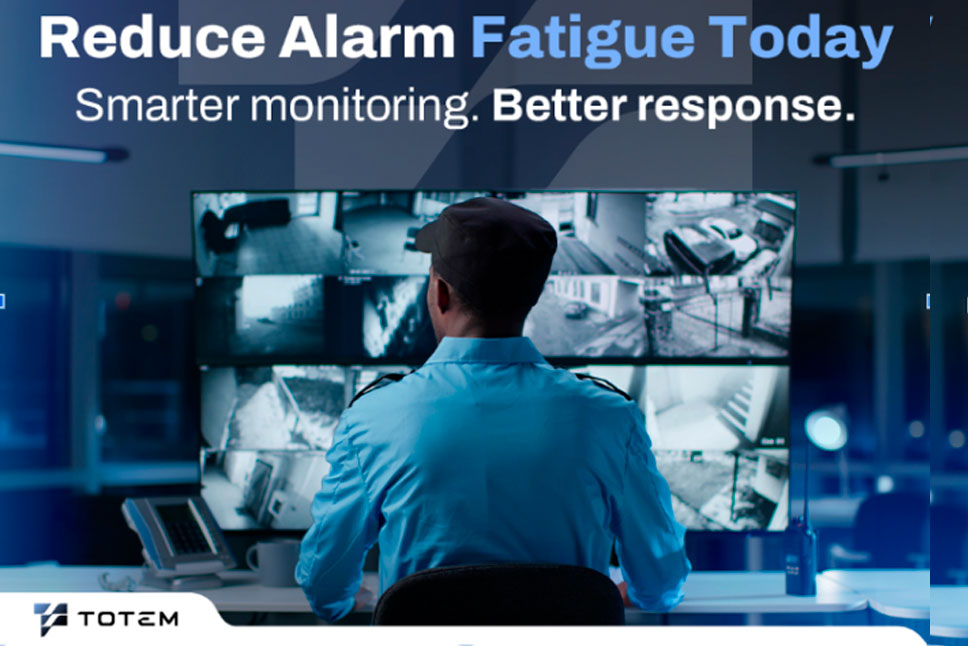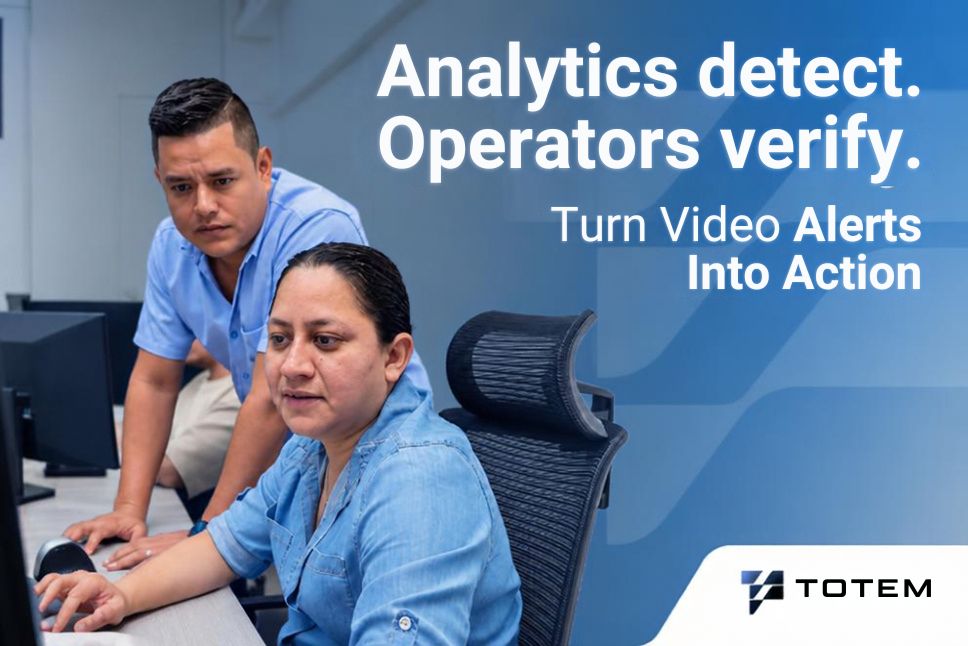

U.S. monitoring centers have spent years building reliable alarm response operations and staying ahead of the industry. Video monitoring adds a vital service layer, yet it creates a serious staffing challenge. Every camera introduces more visual information, more events to review, and more responsibility for operators already managing alarms, signals, calls, and dispatch activity. All of these can lead to slower response times, alarm fatigue, and errors. These are huge concerns every monitoring center faces.
A monitoring center does not have to build an entirely new workforce to offer video.
A remote video monitoring partner can provide trained operators, technology, and operational capacity as an extension of the existing central station. For monitoring centers seeking to add video services, this approach creates a practical path to growth without tying every new account or camera to another internal hire.
Traditional alarm monitoring is event-driven. A signal arrives, an operator follows a defined protocol, verifies the event when required, and coordinates the appropriate response. Video monitoring introduces a richer stream of information. Operators may need to assess live video, review analytics alerts, verify activity, document what occurred, and communicate with designated contacts or authorities.
Remote monitoring services shift part of that workload to a dedicated operations team. Totem provides remote video monitoring, video alarm verification, event monitoring, incident response, and operational monitoring for U.S. monitoring centers. Its model is designed to supplement existing central station operations with trained operators and scalable capacity.
This structure allows a monitoring center to sell video services without making every additional camera a direct staffing obligation.
Modern video monitoring does not require operators to watch every camera continuously. Video analytics can identify defined events and generate alerts that require human review. Depending on the deployment, analytics can support perimeter detection, license plate recognition, occupancy monitoring, access control integration, and identification of activity that matches established rules.
The operator then becomes part of a focused verification process.
That distinction matters. A monitoring center can use technology to surface relevant events, then apply trained human judgment to determine what happened and what action should follow. The result is a workflow built around information quality rather than sheer video volume.
Video security does not follow a business-hours schedule. Customers may require monitoring overnight, during weekends, across holidays, or during periods when their facilities are closed.
Staffing every hour internally can place pressure on recruiting, scheduling, training, retention, and management. A remote monitoring partner can provide dedicated coverage that complements the central station’s existing schedule.
Totem describes its service as a scalable extension of a monitoring center, providing coverage for overnight operations, staffing shortages, video alarm verification, and additional monitoring capacity.
Video monitoring gives monitoring centers another service to package with intrusion, access control, fire, and other security offerings. Customers can receive active video verification and remote oversight through a provider they already trust.
For the monitoring center, the operating model matters. Adding video should not require rebuilding the central station around cameras. A partner-supported approach can provide the people and infrastructure needed to deliver the service, allowing the center to focus on account management, customer relationships, sales, and core alarm operations.
Integration matters here. Totem supports multiple security technologies and video platforms, with infrastructure designed around reliable monitoring, trained operators, and redundant systems.
That is where remote video monitoring can provide meaningful operational leverage.
A monitoring center can establish escalation procedures, define which events require verification, determine who receives notifications, and establish documentation requirements. The remote monitoring team follows those procedures, creating a consistent workflow across accounts.
Operational discipline makes the arrangement work. Each account can have documented monitoring instructions, event priorities, contact protocols, and escalation rules. That information gives remote operators a clear operating framework and gives the central station visibility into how events are handled. Clear handoffs keep responsibility defined, improve consistency, and make the service easier to manage as video volume grows.
U.S. monitoring centers have an opportunity to expand their service portfolios without matching every increase in video demand with an increase in internal staffing. A remote monitoring partner can supply trained personnel, operational infrastructure, video verification, and continuous coverage as an extension of the central station.
Totem is built around that model. Its remote monitoring operation combines trained operators, video analytics, integrated technology, and continuous coverage to help U.S. monitoring centers expand their video capabilities.
Video monitoring is no longer simply another screen for an operator to watch. With the right operational structure, it becomes a scalable service that can strengthen a monitoring center’s offering and create room for growth.
The technology may generate the alert. The monitoring team makes the event actionable. With the right partner supporting the operation, a central station can add video without adding headcount.

Totem is a leading electronic security engineering and monitoring company operating one of the largest monitoring centers in Latin America. With over 10,000 cameras monitored across banking, healthcare, logistics, transportation, and industrial sectors, Totem delivers trusted remote video monitoring, alarm verification, and security operations support to clients and partners across the Americas. Totem partners with U.S. monitoring centers to provide a reliable, scalable, and cost-efficient extension of their operations.
Defined Marketing
Janet Fenner